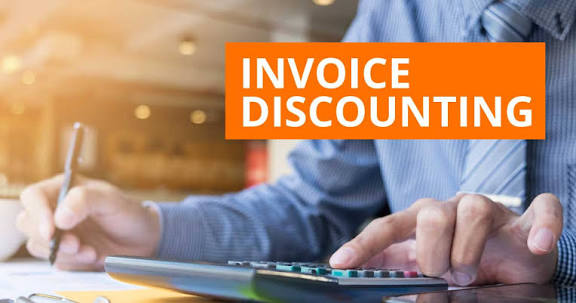
Invoice discounting is a financial service where a business uses its unpaid sales invoices as collateral for a short-term loan from a third-party lender.
This allows the business to access a large portion of the cash tied up in accounts receivable immediately, rather than waiting for the customer to pay on the invoice’s due date (typically 30-90 days).
How It Works:
The process is generally confidential, and the business retains control over its customer relationships and the collections process.
Invoice Generation: A business sells goods or services and issues an invoice to its customer with standard payment terms.
Application and Funding: The business submits the unpaid invoice to an invoice discounting provider. The provider verifies the invoice and typically advances 80-90% of the invoice’s value to the business within a few days.
Customer Payment: The customer pays the full invoice amount to the business (or sometimes a trust account controlled by the lender) on the original due date.
Settlement: The business repays the loan amount to the lender, who then releases the remaining balance of the invoice value to the business, minus an agreed-upon fee (usually 1-3% of the total invoice value).
Key Benefits:
Improved Cash Flow: Provides immediate access to cash that would otherwise be locked up in unpaid invoices, helping businesses meet operational costs, pay suppliers, and handle unexpected expenses.
Confidentiality: The customer is generally unaware of the financing arrangement, which helps the business maintain control over its customer relationships and brand image.
Flexibility: It’s a flexible funding option that scales with the business’s sales volume and can be used as needed (e.g., to manage seasonal cash flow fluctuations).
No Additional Collateral: The invoices themselves serve as security for the funding, so no other business assets need to be pledged.
Risks and Considerations:
Fees and Costs: Lenders charge service fees and interest, which reduce the overall profit margin on the invoice.
Liability (Recourse): In most cases (known as “recourse” discounting), the business is still liable for the debt if the customer fails to pay the invoice.
Credit Control Responsibility: The business remains responsible for chasing up payments and managing the sales ledger, requiring a robust internal credit control system.
Invoice discounting is best suited for established businesses with reliable customers who have a history of paying on time and the in-house capability to manage collections effectively
Please connect on WhatsApp on 98200-88394 if you need any assistance in Invoice Discounting
Team- Intellex Strategic Consulting Private Limited